
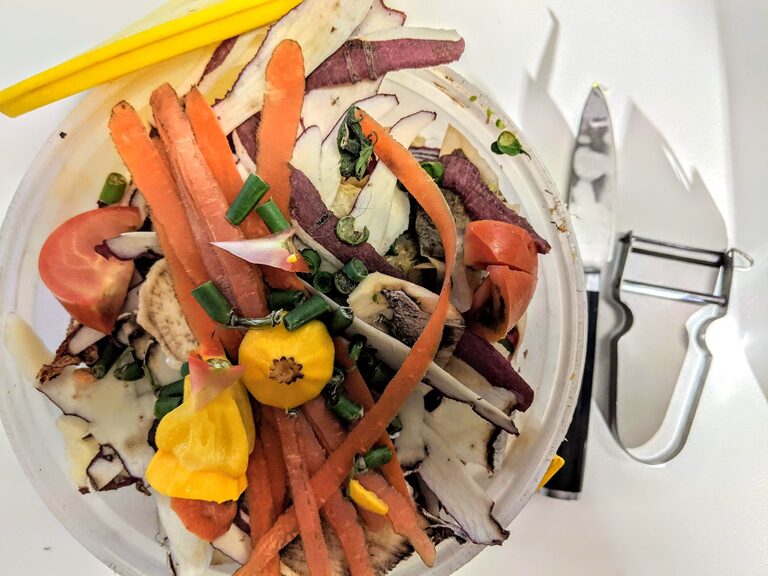
Reducing food waste at home is a beneficial practice that helps save money, conserve resources, and protect the environment. Every year, millions of tons of food end up in landfills, contributing to greenhouse gas emissions and unnecessary waste of valuable resources. By making small changes in your daily routine, you can significantly cut down on the amount of food you throw away. This post will guide you through practical steps to reduce food waste, from smart shopping to creative cooking and proper storage.
Understand Why Food Waste Happens
Before diving into ways to reduce food waste, it’s helpful to understand common reasons food gets wasted:
– Buying more than you need
– Improper food storage
– Confusing expiration dates
– Overcooking or preparing too much food
– Forgetting leftovers in the fridge
Addressing these issues can help you create habits that keep food fresh longer and reduce unnecessary waste.
Plan Your Meals and Shopping
Create a Weekly Meal Plan
Planning your meals ahead helps you buy only what you need. Choose recipes that use similar ingredients so you can use them entirely without excess.
Make a Detailed Shopping List
Before going to the store, check your pantry and fridge. Write down what you already have and what you need. Stick to your list to avoid impulse purchases that may spoil.
Shop Smart
– Buy fresh produce in quantities you can realistically use before it spoils.
– Consider purchasing “ugly” fruits and veggies that are often discounted but perfectly edible.
– Avoid bulk purchases of perishable items unless you plan to freeze or preserve them.
Store Food Properly
Proper storage can prolong the life of your food and reduce spoilage.
Keep Fruits and Vegetables Fresh
– Store fruits like apples and bananas separately, since they release ethylene gas that can speed up ripening.
– Use perforated plastic bags or containers to maintain moisture and air circulation.
– Keep leafy greens wrapped in paper towels inside airtight containers to absorb excess moisture.
Use Clear Containers
Transparent containers help you see what food you have at a glance, reducing the chance of forgotten leftovers.
Know Your Refrigerator Zones
Place foods in the right spots:
– Top shelves for ready-to-eat items
– Bottom shelves for raw meat
– Drawers can be adjusted for humidity to suit fruits or vegetables
Manage Leftovers Wisely
Store Leftovers Quickly
Cool leftovers promptly and store them in shallow containers for even cooling to prevent spoilage.
Label and Date
Use labels to mark when leftovers were stored so you know when to consume or discard them.
Get Creative with Leftovers
Transform leftovers into new meals: soups, stir-fries, sandwiches, or casseroles. This not only reduces waste but can make meal times exciting.
Understand Expiration Labels
Many people misunderstand “sell by,” “use by,” and “best before” dates. These labels often relate to food quality, not safety.
– When in doubt, use smell, look, and texture tests before throwing food away.
– Learn which foods can safely be consumed past their date.
Compost What You Can’t Eat
For food scraps that are unavoidable, consider composting. Composting turns organic waste into nutrient-rich soil for your garden and reduces landfill contributions.
– Collect peels, coffee grounds, eggshells, and other compostable materials.
– Avoid composting meat or dairy, which can attract pests.
Educate Your Household
Get family members involved in reducing food waste. Encourage everyone to help with meal planning, proper storage, and creative cooking. The more people aware and involved, the easier it becomes to establish lasting habits.
Additional Tips to Reduce Food Waste
– Freeze bread, fruits, and vegetables if you won’t use them in time.
– Use smaller plates to avoid serving too much food.
– Use apps that help track food inventory or offer recipes based on ingredients you have.
– Donate unopened and unexpired food to local food banks.
Conclusion
Reducing food waste at home is achievable with mindful shopping, proper storage, meal planning, and creativity. These habits not only save money but also contribute to a healthier planet. Start small, and soon these changes will become a natural part of your routine.
By adopting these practical strategies, you can make a meaningful difference—one meal at a time.